
The Most Comfortable Lightweight Wigs for Senior Women

Comfort is the reason most women stop wearing wigs — not style. Heat buildup, pressure at the temples, a cap that shifts every time you turn your head: any one of these will send a beautiful wig to the back of a closet within a fortnight. If you are over 65 (or shopping for someone who is), weight and breathability should outrank color on your checklist.
Why “lightweight” is the whole ball game
Hair feels heavy three ways: fiber mass, cap layers, and trapped heat. A full human-hair wig can weigh 300 g or more; a good synthetic averages 120–180 g. After hours of wear, that difference lands right where you feel it — the neck and ears. Lighter caps also mean less friction on fragile skin and fewer pressure points over bony areas.
Five features that separate comfy caps from cruel ones
- Open wefting. Machine-wefted open caps circulate air like a fan; solid silicone-lined caps trap sweat.
- Double monofilament or hand-tied tops. Each hair moves independently and the cap surface is soft, not scratchy. See how airy the crown feels on this fully hand-tied breathable short curl.
- Wide, cushioned adjustable straps. Thin straps bite; padded ones distribute tension.
- No rigid combs at fragile spots. Clips belong at dense hair zones — or skip them for velvet grips.
- Reasonable density. 130% density looks plenty on everyone over 60. Extra-thick 250% units are for stage lights, not living rooms.
Our comfort-first picks
Best overall daily cap: fully hand-tied short curly
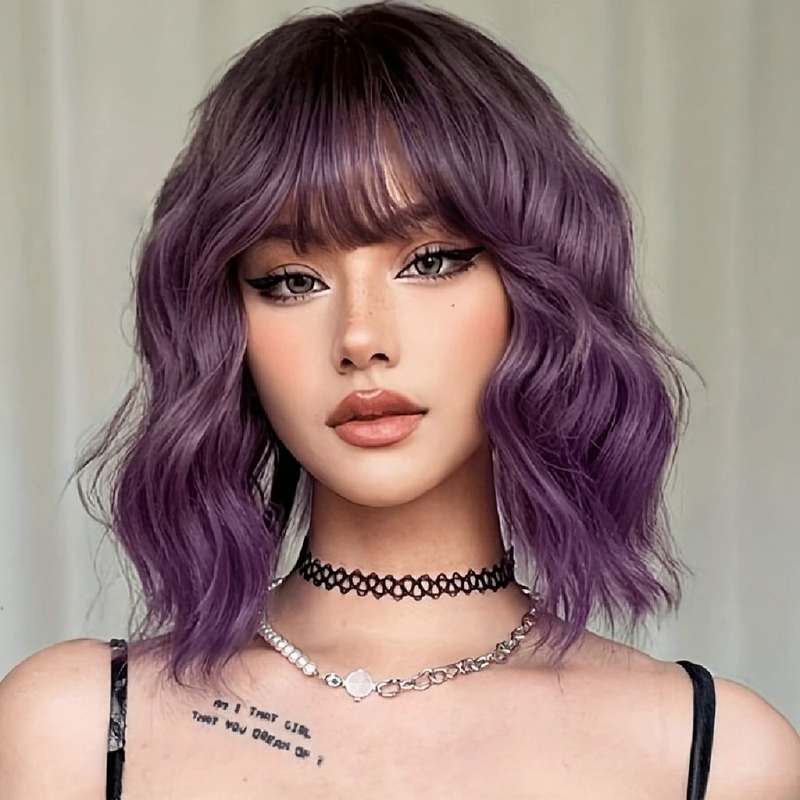
This fully hand-tied breathable short curl combines a hand-tied mesh base with a featherweight build — the closest thing to forgetting you have it on. Short cuts also mean less fiber resting on your neck in warm weather.
Best for covering thinning at the crown
If you still have your own hair but want density back at the part line, a topper weighs half of a full wig. The platinum top topper grips with tiny pressure-free combs and disappears into blonde or platinum shades.

Best long option that stays cool
Prefer length? Choose straight, open-cap designs rather than dense curls. This breathable breathable long center-part piece runs a center part with room to spare around the edges, so airflow never stops.

Seven-minute morning routine for sensitive scalps
- Moisturise overnight so skin isn’t flaky under the cap.
- Wear a thin bamboo or cotton liner — it absorbs perspiration and lets the cap glide on.
- Position from front hairline backwards; adjust straps once seated.
- Test the fit nod test: two nods, one shake. Sliding means tighten half a notch.
- Give yourself a fifteen-second mirror check at ear level, where unevenness hides longest.
Materials that matter for elderly comfort
| Feature | Why it helps |
|---|---|
| Bamboo liner | Wicks moisture; machine washable; reduces itch |
| Velvet grip band | Replaces combs; holds by friction alone |
| Heat-friendly synthetic | Restyles with low heat; lighter than human hair |
| Hand-tied nape | No hard seams at the spine where heads rest |
Frequently asked questions
How many hours can a senior comfortably wear a wig?
With a breathable open cap, most women report eight-plus hours without relief breaks. Solid-lined caps usually get complaints after two or three.
Are toppers better than full wigs for thinning hair?
If you retain decent coverage on the sides and back, absolutely — less material, cooler, cheaper. A full wig wins when hair loss is overall or the scalp is completely bare.
Can sleeping in a wig damage my scalp?
Friction shortens fiber life and tangles hair, but more importantly it rubs delicate skin. A satin pillowcase protects both if removal overnight isn’t possible.
Keep exploring
Pair this guide with our roundup of natural-looking gray wig styles, learn exact fit tricks in the bob wig buying guide, or see why wearing a wig during chemotherapy changes the comfort calculus entirely. Shop every comfort-tested style in the senior collection.
Related Products