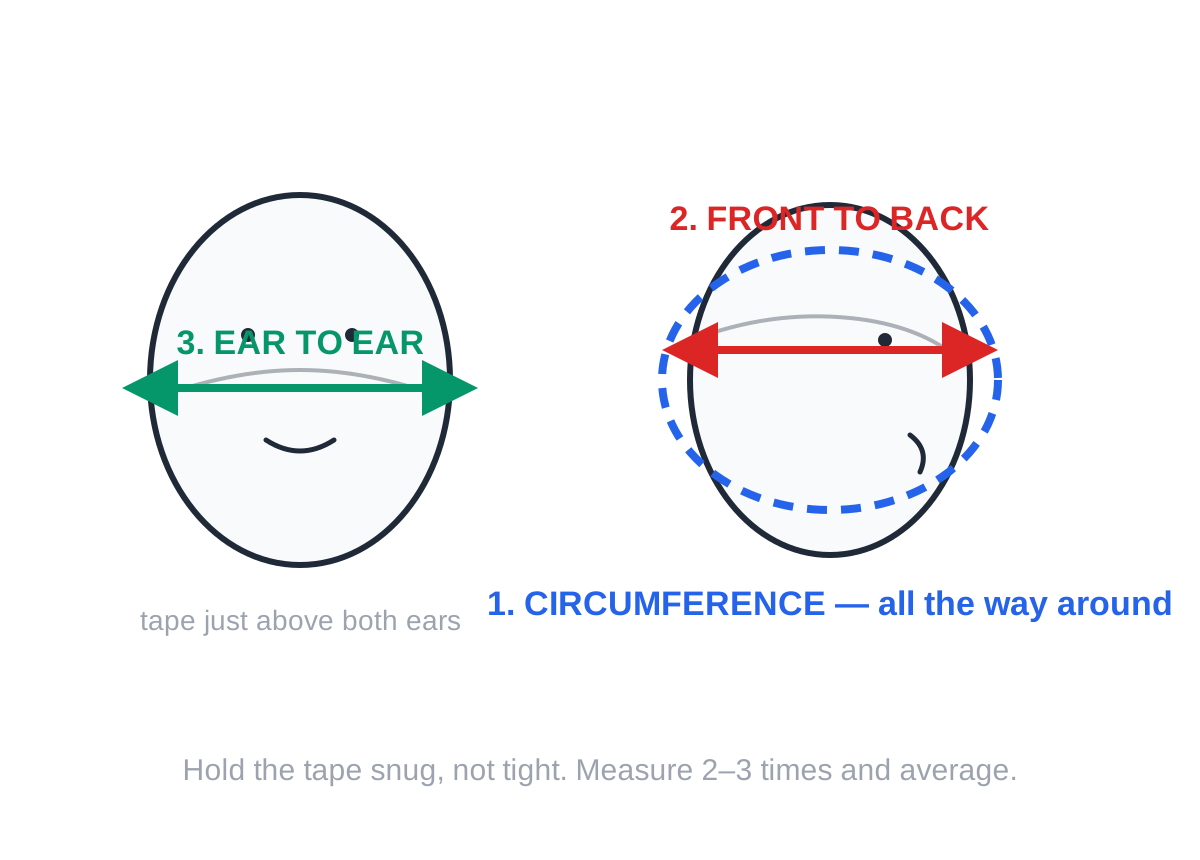
Quick answer: you need three numbers to pick the right wig cap size — head circumference (average 21.5–22.5 in / 55–57 cm), front to back (13–14 in / 33–35.5 cm), and ear to ear (11.5–12 in / 29–30.5 cm). Measure with a soft tape, held snug — not tight — and you’re done in about three minutes.
Cap fit decides everything else: a wig in the right colour and style still fails if the cap slides, lifts at the back, or presses on a sensitive scalp. This guide shows exactly where to hold the tape, what the numbers mean, and how to choose between sizes. It is written for everyday wearers and for anyone shopping for an older relative — the same measurements apply.
The three measurements that decide your wig cap size.
What you need
A soft measuring tape (the sewing kind). A shoelace and a ruler work too — see the FAQ.
A mirror, or a friend / phone camera so you can check the tape position at the back.
Your hair prepared the way you will wear it under the wig: flattened, braided, or (for full hair loss) the bare scalp.
The 3 wig measurements, step by step
Step 1 — Head circumference (the most important number)
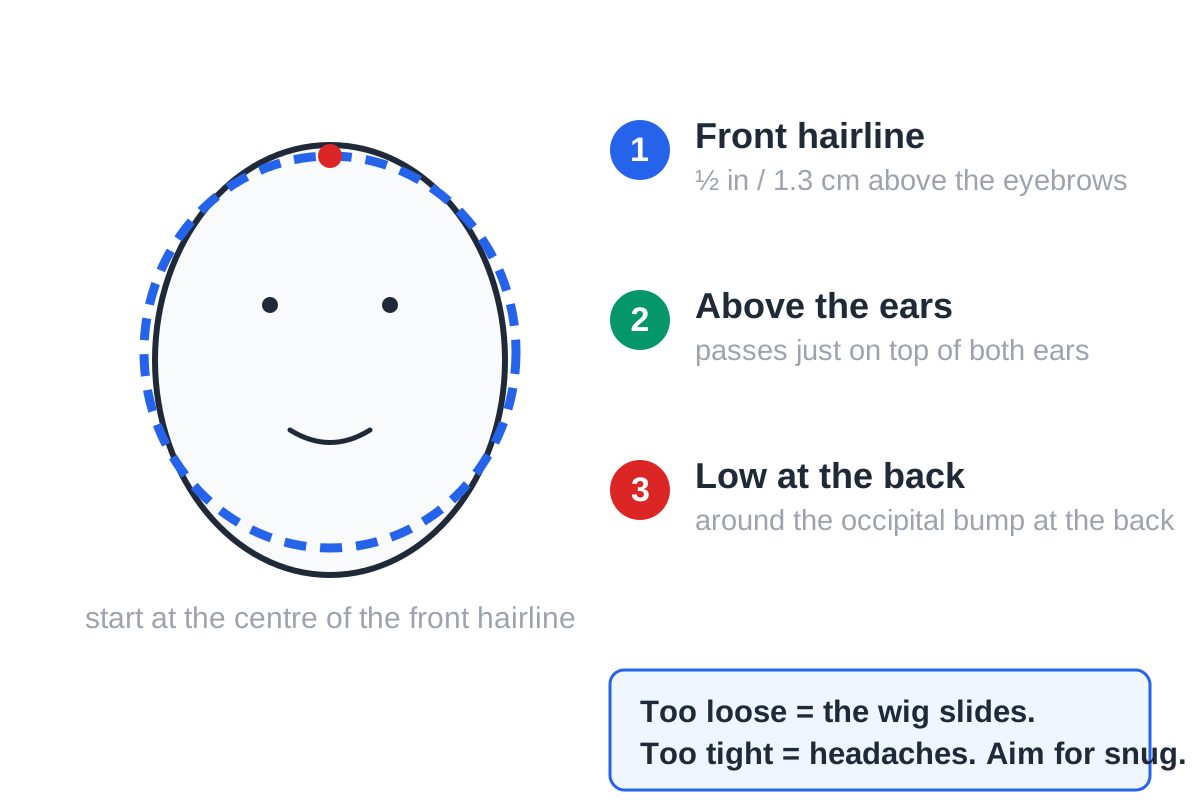
Place the end of the tape at the centre of your front hairline, about half an inch (1.3 cm) above the eyebrows. Wrap it just above both ears and low around the back of the head, over the occipital bone — the small bump you can feel at the back of your skull. Bring it back to the starting point.
The tape should sit snug against the head without pressing. If it sags, the wig will slide; if it digs in, the wig will give you headaches. Read the number in inches and centimetres, then measure two or three times and average the results. Average adult circumference is 21.5–22.5 in (55–57 cm), which is what most “average” caps are cut for.
Step 2 — Front to back
Run the tape from the centre of the front hairline, straight over the top of the head, down to the occipital bump at the back. Average: 13–14 in (33–35.5 cm). This number sets the cap’s depth — if it is too short, the cap rides up and exposes the nape; too long and the cap bunches at the neck.
Step 3 — Ear to ear
Place the tape at the top of one ear, pass it over the crown, and finish at the top of the other ear. Average: 11.5–12 in (29–30.5 cm). This decides where the ear tabs and temple-to-temple lace sit, which matters a lot for a natural-looking hairline on lace front styles.
Tape placement checklist: front hairline, above the ears, low at the back.
Wig cap size chart (inches and cm)
Sizing varies between brands, so treat this as a starting point and always check the brand’s own chart. Most brands cut their caps roughly like this:
Cap size
Circumference
Front to back
Ear to ear
Petite
21 in (53 cm)
13.25 in (34 cm)
11.5 in (29 cm)
Average
21.5–22.5 in (55–57 cm)
13.75 in (35 cm)
12 in (30.5 cm)
Large
22.5–23.5 in (57–60 cm)
14.5 in (37 cm)
12.5 in (32 cm)
Circumference alone is usually enough to pick a size. Front-to-back and ear-to-ear refine the fit: they tell you whether a cap will be deep enough and where the lace hairline will land.
What if you are between sizes?
Size up. Most caps have adjustable straps at the nape that add roughly half an inch to an inch of flexibility, and a wig grip band stops a slightly loose cap from sliding — no glue needed.
Petite caps are worth knowing about. Many brands cut petite caps around 21 in (53 cm) of circumference with a shallower depth. Smaller heads — common among older wearers — fit far better in a petite or small-cap style than in an average cap padded out with a grip. Our short silver-gray wavy bob and silver gray voluminous bob are everyday examples of short styles with adjustable straps that suit a closer fit.
For medical wearers, comfort beats snugness. If the scalp is sensitive, prioritise soft cap materials and light weight; our guide to dark gray human hair bob covers what a comfortable human hair option looks like, and the shows the kind of cap silhouette that works well.
Still unsure? Measure, write the three numbers down, and compare them to the size chart on the product page before ordering. heat-resistant curly bob with bangs lists its cap details in the specification table.
5 mistakes that lead to the wrong wig size
Pulling the tape tight. Tight tape reads a smaller head than the wig will actually sit on. Snug, not compressed.
Measuring over puffy hair. Hair adds bulk. Flatten or braid it first, exactly as you would under the cap.
Skipping the back of the head. The tape must drop low over the occipital bone. Going high across the back reads 0.5–1 in short and the wig will ride up.
Measuring only once. Tape twists and slides. Two or three passes, then average.
Ignoring front-to-back and ear-to-ear. Two people with the same circumference can need different cap depths.
Frequently asked questions
How do I measure my head for a wig without a tape measure?
Use a shoelace or a strip of string. Wrap it around your head in the same path as Step 1, mark or pinch where the ends meet, then lay the string flat against a ruler. The length in inches is your head circumference.
Can I measure over my natural hair?
Yes — flatten or braid your hair the same way you plan to tuck it under the wig, then measure. If you have full hair loss, measure the bare scalp directly.
Do all wig brands use the same size chart?
No. One brand’s “average” can be another’s “large.” Use your three measurements against the chart on each product page, and when the numbers disagree with an old purchase, trust the measurements.
What is a petite wig cap, and who needs one?
A petite cap is cut for roughly 21 in (53 cm) of head circumference, often with a shallower front-to-back depth. It suits smaller heads, many seniors, and anyone whose wigs always feel too deep at the nape.
How tight should a wig fit?
Snug: it should not slide when you shake your head gently, and it should never cause pressure points or headaches. Adjustable straps and a wig grip band give you most of the fine-tuning.
Next steps
Once you have your three numbers, shopping gets simple — filter by the cap details on each product page and compare against your measurements. Useful guides next: